escape room types of puzzles

Types of Escape Room Puzzles: The Complete Guide

The types of escape room puzzles require players to use logic, observation, and teamwork to progress. Common types include hidden object searches, code-breaking ciphers, physical manipulation of objects, pattern recognition grids, and classic riddles. Each challenges a different skill set to keep gameplay engaging.

At Blue Apple Launchpad, we understand how engaging experiences can help escape room businesses attract attention and connect with more potential customers. Learning how different puzzle styles shape the player experience can also help operators better communicate what makes their attractions unique.

Why Escape Rooms Use Different Types of Puzzles?

Escape rooms need variety to keep the game fun from start to finish. The types of escape room puzzles used in a room can shape the whole player experience. A good mix keeps people interested and gives each person a chance to help.

Different Puzzles Keep the Game Interesting

Using the same kind of puzzle again and again can make a game feel dull. A room may start with a hidden object challenge. Next, players may need to solve a code or match a pattern. These changes help keep the game fresh. They can also change the pace. Some puzzles take careful thought, while others need quick action.

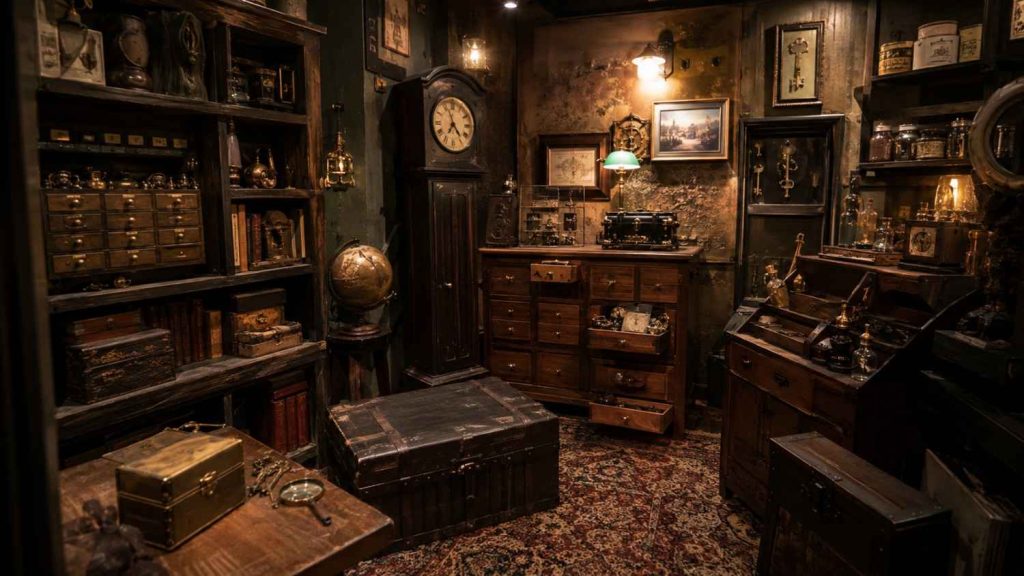
The escape room types of puzzles used can also support the room’s story. For example, a mystery theme may use secret notes and hidden clues. An adventure theme may include maps, symbols, and physical tasks.

Every Player Can Use Their Strengths

People have different skills. One person may spot a hidden key right away. Another person may be better at solving a cipher or finding a number pattern. Using different types of escape room puzzles gives more players a chance to take part. This can make the whole group feel useful.

A strong escape room design gives several people something to do. Players can search, solve, read, move objects, or share clues at the same time. This helps prevent one person from doing all the work.

Puzzle Variety Builds Better Teamwork

Many types of escape the room puzzles work best when players share ideas. One clue may only make sense when it connects with another clue. This is why teamwork is so important. Players need to talk, listen, and help each other. For escape room owners, creating a fun experience is only one part of growth. A digital marketing agency can help more people find the business online and learn what makes the experience special.

Common Types of Escape Room Puzzles
types of escape room puzzles

The types of escape room puzzles can vary by venue, theme, and difficulty level. Some focus on finding hidden items. Others use words, numbers, patterns, sounds, or physical tasks.

The different types of escape room puzzles help keep the game fresh. They also give players with different skills a chance to help. Below are some of the most common puzzle styles found in escape rooms.

1. Hidden Object and Search Puzzles

Search puzzles ask players to look carefully around the room. They may need to find hidden keys, items inside drawers, secret spaces, or symbols in artwork. Some clues may even hide in plain sight.

These puzzles test observation, patience, and attention to detail. Players should search with care instead of pulling the room apart. If an object does not move easily, do not force it. Escape room puzzles should reward careful thinking, not strength.

2. Logic and Deduction Puzzles

Logic puzzles ask players to use clues to reach the right answer. Players may need to remove wrong choices, match items, place information in order, or connect related facts.

These puzzles test clear thinking and problem-solving skills. Teams should share their ideas out loud. One person may notice a link that another player missed. Good teamwork can make a hard logic puzzle much easier.

3. Codes and Cipher Puzzles

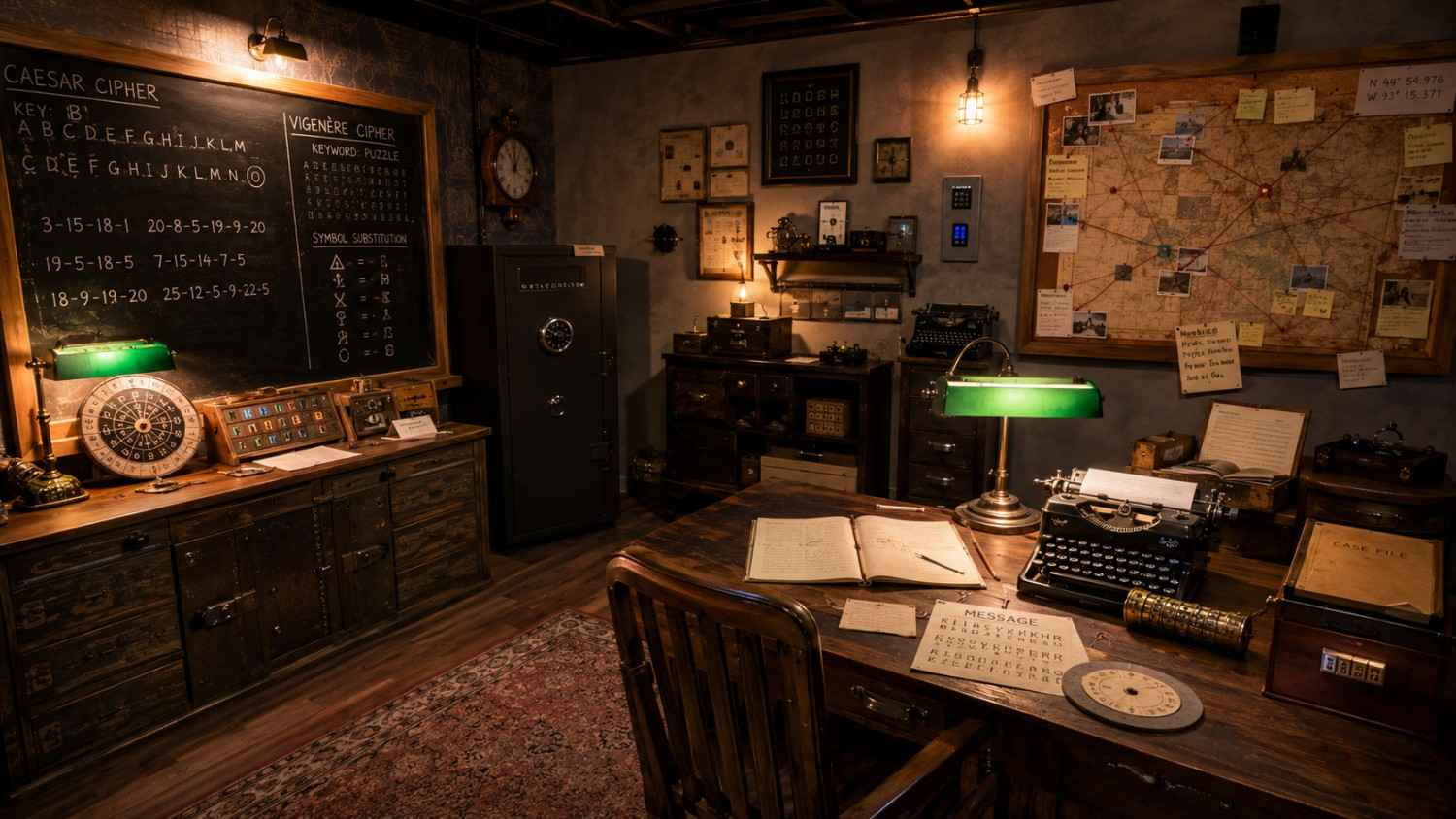
Code puzzles ask players to decode a hidden message. Common examples include Caesar ciphers, Morse code, Pigpen ciphers, symbol systems, and number-to-letter codes. Most escape rooms give players the information they need. A chart, key, or guide may appear somewhere in the room.

Players can look for repeated symbols, letter patterns, and number sequences. These escape room types of puzzles test focus and pattern recognition. They can also make players feel like they are uncovering a secret.

4. Pattern Recognition Puzzles

Pattern puzzles ask players to find a connection between shapes, colors, numbers, symbols, objects, or directions. A color pattern may reveal a code. A set of arrows may give directions. A number sequence may show the correct order.

These puzzles test observation and logical thinking. Players should look for repeats, changes, and clear groups. Saying the pattern out loud can also help teammates notice the answer.

5. Riddles and Word Puzzles

Word puzzles may include riddles, anagrams, acrostics, missing letters, wordplay, and letter rearrangement. Players need to read every clue carefully.

Sometimes a small word or unusual letter can be important. However, teams should avoid making simple riddles more complex than they need to be. The room theme may also help. A pirate room, for example, may use words linked to treasure or the sea.

6. Number and Math Puzzles

Math puzzles often use basic numbers rather than advanced math. Players may need to count objects, solve simple equations, follow number patterns, or find a number sequence. The hard part is often knowing which numbers matter.

For example, players may find four numbers but still need another clue to place them in the right order. These puzzles should feel like a challenge, not a difficult school test.

7. Combination Lock Puzzles

Escape rooms may use number locks, letter locks, directional locks, or key locks. The lock itself is usually not the main puzzle. Players first need to find and understand the clue that opens it. A math puzzle may give a number code. A word puzzle may reveal letters. Instead of guessing random combinations, players should look for clues that clearly connect with the lock.

8. Physical and Dexterity Puzzles

Physical puzzles ask players to safely move or place objects. Tasks may include lining up pieces, balancing items, guiding an object through a path, or turning a simple control. These puzzles test coordination and patience. Players should never use too much force. If something will not move easily, there may be another clue or step to solve first.

9. Jigsaw and Assembly Puzzles

Assembly puzzles ask players to put pieces together. They may involve jigsaw pieces, torn papers, shapes, maps, or parts of an object. Once complete, the puzzle may reveal a message, image, code, or pattern. These puzzles work well for teams. One person can search for pieces while others begin putting them together.

10. Audio and Sound Puzzles

Sound puzzles may use musical notes, recorded messages, sound effects, spoken clues, or rhythms. Players may need to listen more than once. One person can listen for numbers while another focuses on words or names.

Some escape rooms may provide visual support for players who have trouble hearing. Audio puzzles can add variety and help make the room feel more alive.

11. Visual and Light-Based Puzzles

Visual puzzles may use UV lights, hidden writing, reflections, shadows, colored filters, or light patterns. These effects can reveal clues that players could not see before.

Players need to watch carefully and try safe ways to view the clue. They should only use tools provided by the venue and should never take apart lights or equipment.

12. Directional and Spatial Puzzles

Directional puzzles use maps, compass points, room layouts, or movement patterns. Players may need to follow left, right, up, and down directions. These clues often connect with directional locks.

Spatial puzzles test how well players understand position and movement. Working as a team can help. One player can read the directions while another enters them.

13. Technology and Sensor-Based Puzzles

Modern escape rooms may use motion sensors, touch sensors, digital screens, electronic locks, or special objects that trigger a response. Players may place an object in the right spot and see a new clue appear.

Technology can make the room feel more interactive. Players do not need to understand how the system works. They only need to follow the clues and use the room as intended.

14. Teamwork and Coordination Puzzles

Some types of escape the room puzzles need two or more players. Teams may need to press buttons at the same time, share clues from different areas, or hold several objects in place. These puzzles build communication, trust, and teamwork.

One player may see information that another person needs. Clear communication helps the group complete the task. Escape room owners can also use search engine optimization to help more people find their games online. A smart AI SEO approach can support useful content when it focuses on real people and clear information.

15. Multi-Step and Meta Puzzles

Multi-step puzzles connect several challenges. One puzzle may reveal a code. That code may open a box. The box may contain a clue needed later. A meta puzzle brings answers from several smaller puzzles together.

For example, four completed puzzles may each give one symbol. Players then use all four symbols to solve the final challenge. Keeping solved clues organized can make these puzzles easier.

These challenges add depth to the types of escape room puzzles and help connect different parts of the game. For escape room owners, creating a great experience is only one part of growth. A digital marketing agency can help improve online visibility and reach more potential players.


Tips for Solving Different Types of Escape Room Puzzles

Learning how to solve the types of escape room puzzles can make your first game feel less stressful. You do not need special skills to do well. Most of the time, careful thinking and good teamwork can help you move forward. The following tips can help beginners solve clues while still enjoying the game.

Search Carefully

Take time to look around the room. Check shelves, tables, drawers, and other safe areas. Look for items that seem out of place. A small object, symbol, or note may be important. Do not rush through the room and throw things around. A calm search can help you notice details that are easy to miss.

Communicate Everything You Find

Tell your team when you find something. A clue may not make sense to you, but another player may understand it right away. Even a small detail could connect with something your teammate found. Clear communication is important when solving different types of escape room puzzles.

Keep Used and Unused Clues Organized

Try to keep solved clues separate from clues you still need. This can stop your team from solving the same puzzle twice. It also makes it easier to see what still needs attention. Place related items together when the game rules allow it. Staying organized can save valuable time.

Divide Tasks When Possible

Your whole team does not need to work on one puzzle at the same time. One person can search the room while another studies a code. Other players can work on a word or number puzzle. Dividing tasks can help your group make faster progress. This works well when the room has several clues available at once.

Look for Patterns

Many escape room types of puzzles use patterns. Pay attention to colors, shapes, numbers, symbols, and directions. Look for things that repeat or appear in a clear order. A pattern may help you find a code or choose the right next step. If you notice something unusual, tell your team.

Read Instructions Carefully

Do not rush past written clues. Read each note or instruction more than once. A single word may help you understand what to do. Check for numbers, capital letters, repeated words, or unusual marks. These details may have a purpose.

Avoid Using Force

Escape room puzzles should not need a lot of strength. Do not pull hard on doors, break objects, or force locks. If something does not move easily, there may be another step to complete first. Follow the rules given by the game host. These rules help protect you and the room.

Do Not Overthink Every Clue

Some puzzles are easier than they first appear. Start with the most simple answer before looking for a complex one. Do not create extra steps unless the clues point you in that direction. The types of escape the room puzzles may test your thinking, but they should still follow clear logic.

Ask for a Hint When Needed

It is fine to ask for help. If your team has spent too much time on one puzzle, a hint can help you move forward. Getting a small clue can be better than feeling stuck for the rest of the game. Hints are part of the experience at many escape rooms.

Listen to Your Teammates

Every player may notice something different. One person may be good at numbers. Another may be better at finding hidden items or solving word clues.

Listen when someone shares an idea. Even if it seems strange at first, it may lead the group in the right direction. Good teamwork can make the game more fun for everyone. It can also create a better guest experience, which is important for escape room owners and their escape rooms marketing efforts.

How Escape Room Operators Can Reach More Players?

Creating a fun escape room is only one part of growing the business. Operators also need strong marketing to help more people find and book their games. The theme, story, and types of escape room puzzles can make an experience stand out. Local SEO can help nearby customers find the venue. Google Ads can reach people already searching for local entertainment.

A clear website should explain room themes, booking details, and group options. Strong landing pages can guide visitors toward booking. Content about escape room types of puzzles can also answer common questions and bring in more search traffic.

Blue Apple Launchpad is a marketing agency that helps businesses improve pipeline, revenue, and profit through marketing strategies. An experienced SEM agency can also support paid search, customer growth, and lead tracking. For a family entertainment center or escape room, combining a strong guest experience with smart marketing can help more people discover the business.

Explore the Types of Escape Room Puzzles for Yourself

The many types of escape room puzzles help keep each game fresh and fun. Search puzzles test observation. Logic puzzles test clear thinking. Ciphers and patterns challenge players to find hidden meanings. Physical tasks add hands-on fun, while audio and visual clues create more variety.

The different types of escape room puzzles also give each player a chance to use their strengths. One person may spot hidden clues, while another may solve a code. These types of escape the room puzzles make teamwork an important part of the experience. For operators, creating a great game is only the first step. Strong marketing can help more people find the business, understand the experience, and feel ready to book.

Grow Your Escape Room Business With Blue Apple Launchpad!

Great types of escape room puzzles can create a fun and memorable guest experience, but strong marketing helps more people discover your business. Blue Apple Launchpad helps businesses improve their pipeline, revenue, and profit through smart marketing strategies. From better online visibility to stronger customer growth efforts, the right plan can help your escape room reach more potential players. Contact us today to learn how Blue Apple Launchpad can support your marketing goals and help more customers find and book your escape room.

FAQs

What are the most common types of escape room puzzles?

The most common types of escape room puzzles include hidden object searches, logic puzzles, riddles, codes, ciphers, number puzzles, and pattern challenges. Some rooms also use physical tasks, sounds, lights, and teamwork puzzles. Each type tests a different skill and helps keep the game interesting.

Are escape room puzzles hard to solve?

Some puzzles are easy, while others can take more time. The difficulty often depends on the room, theme, and skill level. Most escape rooms give players enough clues to solve each challenge. Good teamwork, clear thinking, and careful observation can make puzzles easier.

Do I need to be good at math to play in an escape room?

No. Most escape rooms do not require advanced math skills. Number puzzles often use simple counting, addition, or basic patterns. Players usually need to understand which numbers matter and how to use them. Other team members can also help if you are not comfortable with numbers.

What should I do if I get stuck on an escape room puzzle?

First, take a step back and review the clues you already found. Talk with your teammates because someone may notice something you missed. Check for patterns and read instructions again. If your group still cannot move forward, asking the game host for a hint can help.

Why do escape rooms use different types of puzzles?

Different puzzles help keep the game fresh and give every player a chance to help. One person may be good at finding hidden objects, while another may solve codes quickly. Using different puzzle styles also supports teamwork and creates a more balanced and enjoyable escape room experience.

Related Posts

Influencer Marketing Guide To Boost Your Earnings

Email Marketing Guide to Make More Money

Escape Room Design Guide To Maximize Engagement & Profits

Improve Conversion Rates with Our PPC guide

Operations Guide To Streamline & Scale Your Business

Google Ads Guide to improve your performance

Facebook Ads Guide to Level up Your Performance

The Conversion Rate Optimization (CRO) Guide That’ll Make You More Money

Show Up In Search Results With This Always-Updated SEO Guide

Build And Improve Your Landing Pages With This Always Updated Chapter Guide

Trampoline Park

Trampoline Park Investment Guide to Grow Revenue And Profits

Book a Call Now

Ready To Make a Real Change? Let’s Work Together!
Book A Marketing Strategy Session Today.