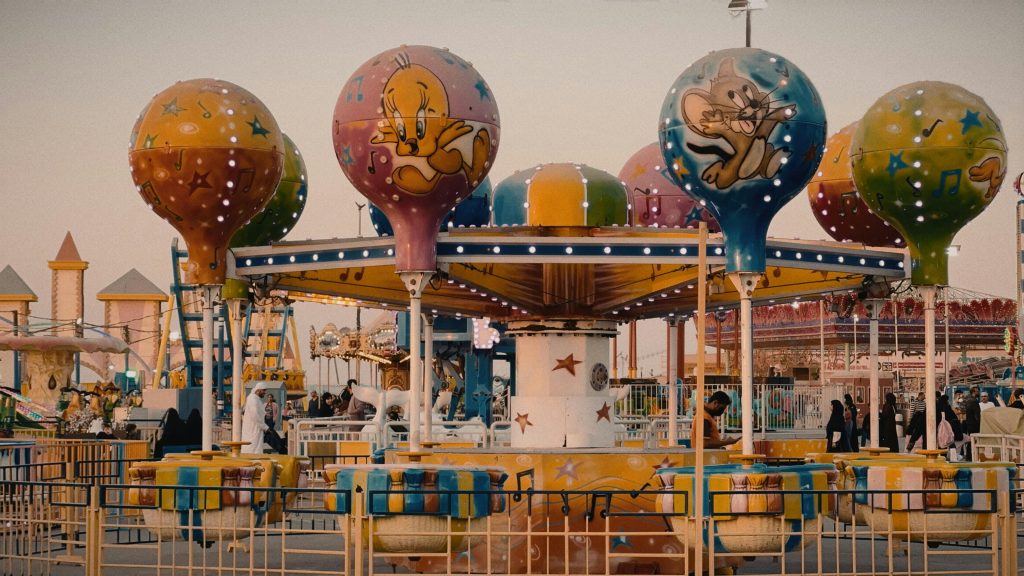
Theme parks are designed to create unforgettable experiences, but even the most exciting attractions need strong marketing to attract visitors, increase ticket sales, and build long-term customer loyalty. In today’s competitive entertainment industry, successful theme park marketing goes beyond traditional advertising—it focuses on storytelling, digital engagement, and creating excitement before guests even enter the park.
A well-executed marketing strategy helps transform a theme park into a destination people actively plan to visit, share online, and return to throughout the year.
A successful theme park starts with a memorable brand identity. From visuals and attractions to messaging and customer experience, every part of the park should feel connected to a clear theme and personality.
Your branding should communicate:
The type of adventure guests can expect
The emotions and experiences your park delivers
What makes your attractions unique
Why families, tourists, or thrill-seekers should choose your park
Strong branding helps create emotional connections that encourage repeat visits and long-term recognition.
Using Seasonal Campaigns and Events
Theme parks thrive on seasonal excitement. Holiday celebrations, summer festivals, Halloween attractions, and special events create urgency and encourage repeat visits throughout the year.
Limited-time experiences generate anticipation and provide fresh reasons for guests to return. Marketing campaigns built around these events can significantly increase attendance and online engagement.
Promoting exclusive attractions, themed entertainment, or special performances helps maintain momentum year-round.
Attracting Families and Group Visitors
Theme parks often appeal to a wide range of audiences, including families, schools, tourists, and corporate groups. Marketing campaigns should highlight experiences that cater to different visitor types.
Family-focused promotions, group packages, birthday events, and school partnerships can help expand your audience and increase bookings.
The more accessible and experience-driven your offers feel, the more likely people are to plan visits in advance.
Turning Visitors Into Repeat Guests
Long-term success depends on more than first-time attendance. Loyalty programs, annual passes, memberships, and exclusive perks help encourage repeat visitation and stronger customer relationships.
Building loyalty creates a sustainable audience that supports long-term growth.
Tracking Marketing Performance
Successful theme park marketing relies on understanding customer behavior and campaign performance. Monitoring ticket sales, social engagement, online traffic, and event attendance helps improve future marketing efforts.
These insights allow theme parks to make smarter marketing decisions and improve return on investment.
FAQs
Why is marketing important for theme parks?
Marketing helps attract visitors, increase ticket sales, promote events, and build long-term customer loyalty. It also helps theme parks stay competitive in the entertainment industry.
What is the best way to promote a theme park?
A combination of social media marketing, digital advertising, seasonal campaigns, influencer collaborations, and engaging website content is highly effective for promoting theme parks.
How can theme parks increase repeat visitors?
Membership programs, seasonal events, loyalty rewards, and regularly updated attractions encourage guests to return multiple times throughout the year.
Why is social media effective for theme park marketing?
Theme parks are highly visual and experience-driven, making them ideal for social media platforms where guests can share photos, videos, and reactions.
Should theme parks invest in video marketing?
Yes. Video content captures excitement, attractions, guest experiences, and live entertainment more effectively than static content, making it highly engaging for potential visitors.
How do seasonal events help theme park marketing?
Seasonal events create urgency, generate excitement, and give guests new reasons to visit. They also help maintain attendance throughout different times of the year.
What makes a successful theme park marketing campaign?
Successful campaigns focus on emotional experiences, immersive storytelling, audience engagement, and creating memorable moments that people want to share and revisit.
Book a Call Now
Ready To Make a Real Change? Let’s Work Together! Book A Marketing Strategy Session Today.