

Home » Landing Page Optimization Guide: Build Pages That Convert
Landing Page Optimization Guide: Build Pages That Convert
Landing page optimization (LPO) involves improving various elements of a webpage, such as headlines, copy, design, and forms to boost conversion rates and enhance user experience (UX). As a crucial part of conversion rate optimization (CRO), it relies on data-driven strategies like A/B testing to maximize return on investment (ROI) and lower customer acquisition costs.
A digital marketing agency can play a pivotal role in landing page optimization by leveraging advanced tools and expertise to create high-converting pages. Their data-driven approach ensures every element, from copy to call-to-action buttons, is fine-tuned to maximize performance and drive results.
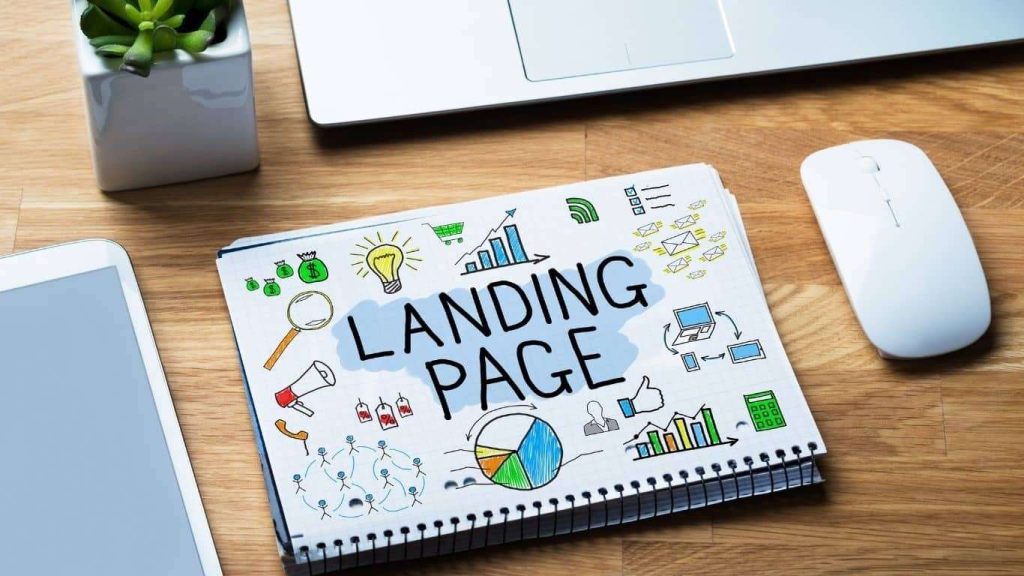
What is Landing Page Optimization?
Landing page optimization is the process of improving key parts of your landing pages to boost conversions. This involves refining the design, copy, forms, and CTAs to make it easier for visitors to take action, like signing up or making a purchase
By using landing page optimization tips and data-driven testing, businesses can identify the most effective elements. Additionally, search engine optimization helps make sure your landing page reaches more people, improving visibility and conversions. With the right strategy, landing page optimization can maximize marketing ROI.
When You Should Use a Landing Page?
Landing pages are powerful tools, but they’re not needed for every campaign. Here are the key situations when landing page optimization is essential:
Paid Ads or Email Campaigns
If you’re running a paid ad or email campaign, sending traffic to your homepage is a waste. Instead, use a landing page that’s focused on your campaign’s goal. This will help you improve your ROI by guiding visitors toward a specific action. By following best practices for landing page optimization, you can create templates for faster setup and better results.
Multiple Traffic Sources
When traffic comes from various channels like Google Ads, social media, or organic search, you should create a unique landing page for each. This helps you fine-tune the experience and simplify your conversion process. SEO landing page optimization ensures that each page is optimized for search engines, driving more qualified traffic.
Mobile Optimization
With more users browsing on mobile, your landing pages must work seamlessly on all devices. A mobile-first landing page ensures that visitors have a smooth experience. When optimized, the page can stay focused on conversion, regardless of the device.
Short-Term Promotions
If you have a special offer or promotion, create a separate landing page to highlight it. Standalone landing pages are easy to set up, allow for fast communication, and can be removed quickly once the campaign ends.
Fast Deployment
Sometimes, you need to get a message out fast. A landing page optimization strategy helps you launch quickly without waiting for developers or complex site updates. This is especially helpful for time-sensitive campaigns.
Big Ideas from Leadership
When a creative idea comes from your team, you can quickly test it with a landing page. This allows for rapid feedback and helps decide whether the idea is worth further investment. Whether it’s a new product or promotion, you can test its success before implementing it site-wide.
In all these cases, working with an email marketing agency or other marketing experts can help you create and optimize landing pages that drive results.
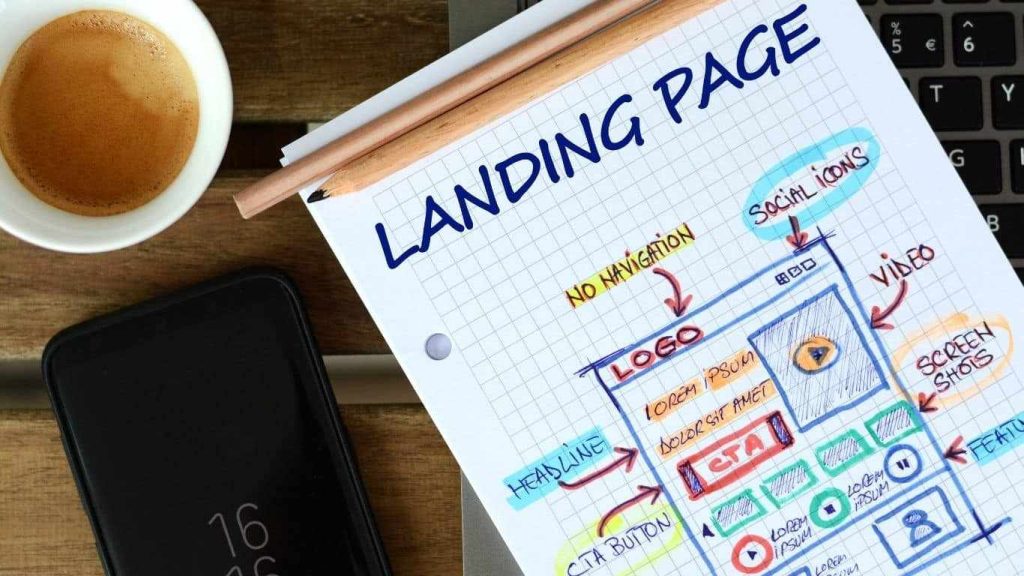
What to Do Before You Build a Landing Page?
Before you begin creating your landing page, it’s important to plan ahead. Landing page optimization starts with understanding your goals and audience. A well-structured plan can save you time and effort later.
Create a Clear Plan
Start by creating a simple creative brief that outlines the goals of the campaign. This will help you stay focused on the main objective and design accordingly. A clear plan ensures that your page supports the overall goals of your business.
Know Your Campaign Goals
Make sure you fully understand the purpose of your campaign. What action do you want visitors to take? Are you gathering leads, selling products, or promoting a service? Defining the goal will help guide the design and content of the page.
Understand Your Audience
Put yourself in the shoes of your audience. What are their pain points? What questions do they have? Understanding your target audience will help you design a page that addresses their needs and encourages action.
Set a Clear Call to Action
Know what you want visitors to do once they arrive on your page. Whether it’s signing up for a newsletter or making a purchase, a clear call to action will guide them through the page.
Consider Visitor Sources
Think about where your visitors are coming from whether it’s from email, organic search, or paid ads. Each source may require a different approach, so ensure your page aligns with the messaging and design they expect. This consistency improves conversion rates.
Account for Mobile Devices
Since many visitors will access your page from mobile devices, it’s crucial to optimize for mobile users. Web design and development should focus on creating mobile-responsive pages to ensure a smooth experience on any device.
Learn from Past Campaigns
Look at your previous landing pages to see what worked and what didn’t. Keep track of past successes and avoid repeating mistakes. This will help you make better decisions when designing future landing pages.
Check Competitors
Research what your competitors are doing. Are there any ideas or trends you can use to improve your own page? Competitor analysis is a valuable tool for staying ahead in the market.
By following these landing page optimization tips and using a landing page optimization guide, you can ensure your page is both effective and well-designed.
The Best Practices of Landing Page Optimization
When building a landing page, applying the right practices is key to ensuring it performs well. Landing page optimization helps guide visitors to take action. By following best practices for landing page optimization, you can create a page that converts effectively.
Target a Relevant Page
When using paid ads or email campaigns, avoid sending visitors to your homepage. Instead, create a focused landing page that speaks directly to the offer. A dedicated page with clear messaging ensures higher conversions and a better return on investment.
Focus on a Clear, Concise Headline
Your headline is the first thing visitors will see. Make it clear, bold, and easy to understand. It should explain the offer quickly and keep visitors interested. Clear headlines are a critical part of SEO landing page optimization.
Keep it Simple and Free of Clutter
A clean, simple design keeps visitors focused on the offer. Remove unnecessary distractions, and don’t add too many links or options. This helps ensure that visitors stay focused on the primary call to action.
Use Trust Elements
Add elements like customer reviews, testimonials, or security badges to build trust. These can help reassure visitors that your offer is legitimate and reliable, leading to higher conversion rates.
Optimize for Mobile Devices
More people browse on mobile, so it’s essential that your landing page is mobile-friendly. A responsive design ensures that visitors have a smooth experience, no matter their device, which is a key element of landing page optimization.
By incorporating these best practices for landing page optimization, you create a focused, effective landing page that guides visitors toward taking action, helping you achieve your campaign goals.

Optimizing Your Landing Page Call to Action (CTA)
Your call to action (CTA) is a key element of landing page optimization. It’s the button or link that guides visitors to take the desired action, like buying a product or signing up for a newsletter. A well-optimized CTA can significantly improve conversion rates. Here are some key tips to make your CTA stand out.
Make Your Copy Clear
Your CTA should clearly state what the visitor will get. Instead of using vague words like “submit” or “go,” be specific. For example, if you’re offering a free ebook, say “Get Your Free Ebook Now.” Clear CTA copy helps reduce confusion and increases conversions.
Keep the CTA Visible
Make sure the CTA is easy to find. It should stand out from the rest of the page. Use high contrast colors and leave enough space around the button so it’s easy to click. Also, make sure it’s visible even if the visitor doesn’t scroll down.
Personalize Your CTA
Personalizing your CTA can help make it more appealing. For example, if a visitor is coming from an ad about a specific product, the CTA should mention that product. Personalization makes the CTA feel more relevant and increases the chance of a click.
Stay Focused on One Goal
Your landing page should have one clear goal. Avoid offering too many options on the page. A cluttered page can distract visitors from the main CTA. Keep your message simple and make the CTA the focal point. This will lead to higher conversions.
Use a Secondary CTA for Safety
Not everyone will be ready to convert right away. It’s a good idea to include a secondary CTA, like “Learn More” or “Download a Brochure.” This gives visitors a chance to engage with your offer in a less committed way while keeping them on your page.
By applying these landing page optimization tips and using a landing page optimization guide, you can ensure your CTAs are effective and drive conversions.
Landing Page Optimization Strategies for Success
Landing page optimization is key to making your landing pages more effective. By applying the right strategies, you can improve your page’s design, performance, and overall success in converting visitors into leads or customers. Here are some essential practices to follow when optimizing your landing pages.
Keep Forms Simple
Nothing scares a visitor more than long forms. Simplify your forms by removing unnecessary fields. Ask for only the most essential information. Landing page optimization is about making it easy for visitors to take action without feeling overwhelmed.
Use Clear Directional Cues
Guide visitors toward completing the form with clear visual cues. Use arrows or bold text to point to the most important areas. This will ensure they know exactly what to do next, leading to higher conversion rates.
Build Trust with Clear Contact Information
To build trust, include a phone number and clear contact information. This lets visitors know they can reach you if needed. It’s an easy way to reassure them and increase their confidence in completing the form or offer.
Stay Consistent with Your Branding
Ensure your design, messaging, and tone match the ad or email that led visitors to the landing page. This consistency improves user experience and trust. Misleading visitors or causing confusion can lead to higher bounce rates.
Minimize Distractions
Remove unnecessary elements or links that could distract visitors from the main goal. For example, don’t provide navigation options or links to other pages. Keep them focused on completing the action you want them to take.
Optimize for Pay Per Click (PPC) Campaigns
If you’re running a pay per click (PPC) campaign, ensure that the landing page matches the ad. This improves both the user experience and your ad performance. Consistency between your ad and landing page boosts conversion rates and the effectiveness of your campaign.
By following these strategies for landing page optimization, you can create pages that convert better, leading to higher ROI and improved campaign success.
Final Steps Before You Publish Your Landing Page
Before launching your landing page, take time to ensure everything is in place. Landing page optimization is all about fine-tuning every detail to maximize conversions. Here are the essential steps to follow.
Pre-Publish Checklist
Create a pre-publish checklist to ensure you don’t miss anything important. This checklist should cover all aspects of your landing page, from design to content. Having a solid plan ensures a smooth launch and avoids last-minute mistakes.
Apply the Five-Second Rule
Test your page using the five-second rule. Show the landing page to someone for five seconds, then ask them what the page is about. If they can’t clearly explain the purpose, you may need to adjust the messaging or CTA. This quick test ensures your page communicates its goal clearly.
Get Feedback
Gather as many opinions as possible. Print your landing page or share it with others to get feedback. Fresh eyes may spot design flaws or areas for improvement that you missed. Collaborative feedback ensures your landing page is optimized for maximum impact.
Quality Assurance
Before going live, check for typos or errors on your landing page. Mistakes can hurt your credibility and lead to lost conversions. Test the page on multiple browsers and devices to make sure it looks great everywhere.
Test and Optimize
A/B test various elements, like your CTA, images, and messaging. Test each version to see what works best. With landing page optimization, continuous testing and tweaking are essential for better results. Additionally, leveraging social media marketing can drive traffic to your optimized landing page, helping you test and refine your strategy.
By following these steps, you’ll ensure that your landing page is not only functional but also designed to convert visitors into customers. Contact us today to start optimizing your landing page for better results!
FAQs
What is landing page optimization?
Landing page optimization is the process of improving elements on your landing page to increase conversions and enhance user experience, such as headlines, copy, and call-to-action buttons.
Why is a clear call-to-action (CTA) important
A clear CTA guides visitors to take specific actions, such as signing up or making a purchase. It plays a crucial role in improving conversion rates.
How can I make my landing page mobile-friendly?
Optimize your landing page for mobile by using responsive design. Ensure all elements, such as buttons and text, are easy to click and read on mobile devices.
What should I include in my landing page copy?
Your landing page copy should clearly explain the offer, highlight its benefits, and include a strong CTA. Keep the message simple, concise, and focused on the visitor’s needs.
How do I test my landing page for better performance?
You can use A/B testing to compare different versions of your landing page. Test elements like headlines, CTAs, and images to see which version converts best.
Related Posts
Influencer Marketing Guide To Boost Your Earnings
Email Marketing Guide to Make More Money
Escape Room Design Guide To Maximize Engagement & Profits
Improve Conversion Rates with Our PPC guide
Operations Guide To Streamline & Scale Your Business
Google Ads Guide to improve your performance

Facebook Ads Guide to Level up Your Performance
The Conversion Rate Optimization (CRO) Guide That’ll Make You More Money
Show Up In Search Results With This Always-Updated SEO Guide
Build And Improve Your Landing Pages With This Always Updated Chapter Guide
Trampoline Park
Trampoline Park Investment Guide to Grow Revenue And Profits